1. Position & Unique Features
„How would you describe the position of your church in your country or region? What distinguishes your church from other churches in your area?“
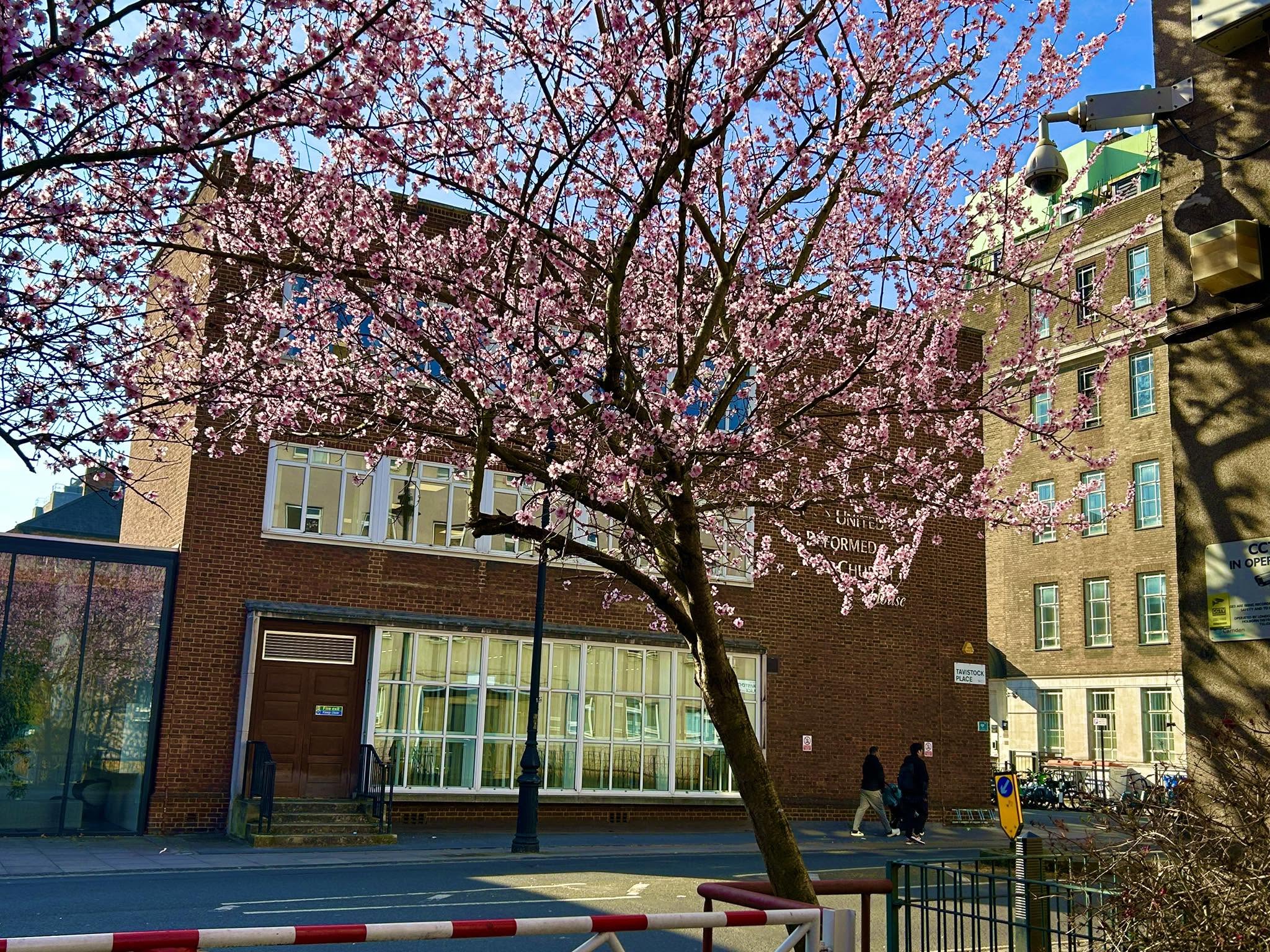
The United Reformed Church stands in this historic Reformed tradition, and was formed through a union of Congregational, Presbyterian and Churches of Christ (Disciples of Christ) traditions. Historically in England we were a ‘dissenting non-conformist’ tradition – meaning that our congregations and ministers dissented from the religious establishment of Anglicanism as the religion of England (and in earlier times, Wales). In Scotland we represent the Reformed tradition in its Congregational inheritance. We are a broad Church theologically, with a strong commitment to ecumenism and social justice issues. Many of our congregations understand a key part of their vocation being to serve the local communities in which they are set. Diaconal work happens through the word of our congregations and members, not through professional, denominational, diaconal bodies. Our membership is very engaged, the majority of our 40,000+ members will be in worship regularly, and there are as many visitors to worship and children and young people again as members connected with our congregations.
2. Current Challenges
„What are the current challenges your church faces in its work or area of activity?“
England, Scotland and Wales are increasingly secularized societies, which results in a decline in church members. This leads to pressures in terms of finding volunteers to take on key and vital roles in the life of our congregations. We can have a tendency at times to remain in more affluent areas, rather than more deprived areas, and are committed to being a ‘church with people on the margins’, which can be a real challenge for us. We are aware of the significant legacies of transatlantic slavery on British society, and the realities of racism within the nations in which we are set, and the stain of racism within the life of the Church itself, and we seek to be an actively anti-racist church.
3. Best Practices / Successful Initiatives
„Can you provide an example of a particularly successful initiative or practice in your church that you consider a best practice?“
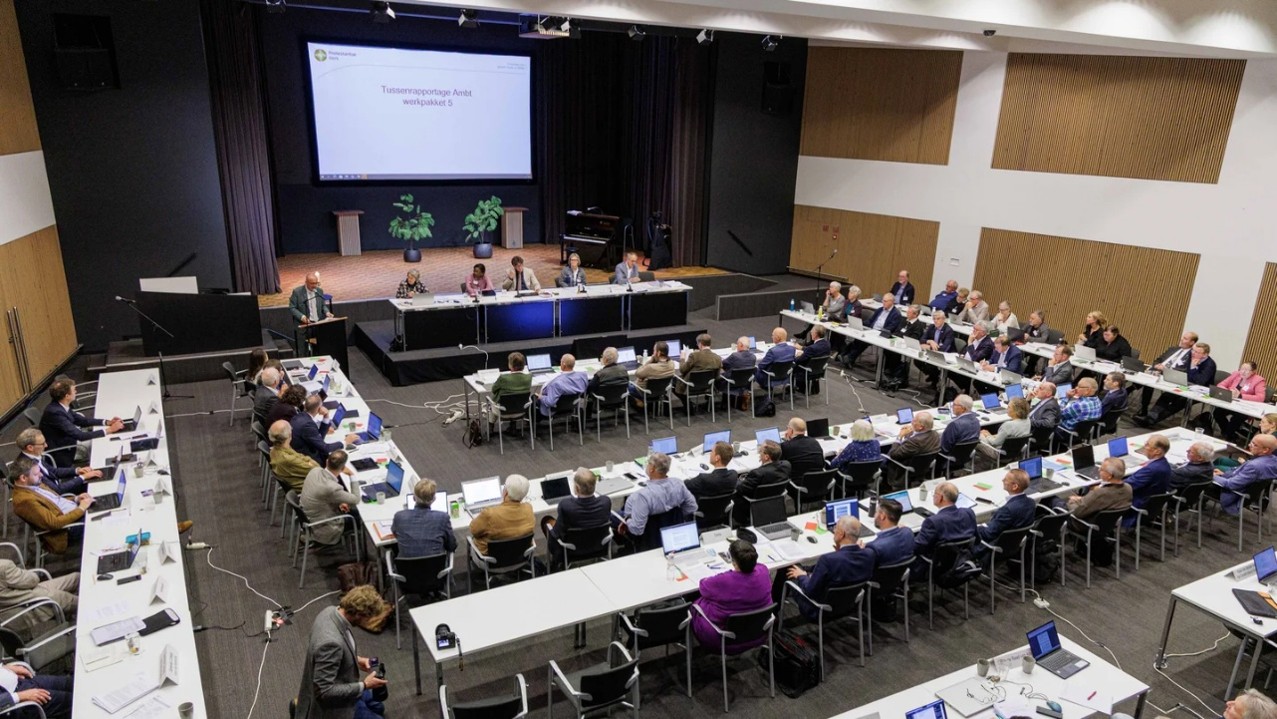
We consider the place of young people in the full decision making processes of our church one example of best practice. Each Synod is required to have two designated places representing them at the General Assembly of the Church for representatives aged 25 and under, and ecumenical and international guests are often amazed at the richness and vitality of the role that young people play in our decision making. We have also done significant work to ensure that our safeguarding practices are as strong as can
be possible. Another significant feature of our life is our Church Related Community Work Ministry, Commissioned Community workers based in local congregations who engage in community development work as a primary aspect of the ministry of the church. These are very few in number, but are a rich blessing, and a model of ministry many find helpful.
4. Significance of GEKE Membership
„What does it mean for your church to be part of the Community of Protestant Churches in Europe (GEKE), and how does this membership impact your work?“
As a relatively small ‘minority’ church, it is important to us to be part of wider Church families, and in the context of Europe, the CPCE is our primary church ‘family’. We benefit hugely from the theological resources of the Communion, which are often beyond the resources that we could ourselves develop. The sharing of ideas, good practice, and the chance to reflect together on our common life is important to us. Many local congregations might not be aware of the work of the CPCE, but for many engaged in more specialist areas of the life of the Church the chance to engage with the CPCE is enriching and positive. To be a member of a communion of worship and fellowship with churches across our continent is a rich blessing.