Council
The CPCE has a clear structure. A General Assembly determines the basic guidelines for its work approximately every six years. The 13-member Council, led by a three-member Presidium, directs the work between the General Assemblies, which is coordinated by the Head Office in Vienna.
The Council Members
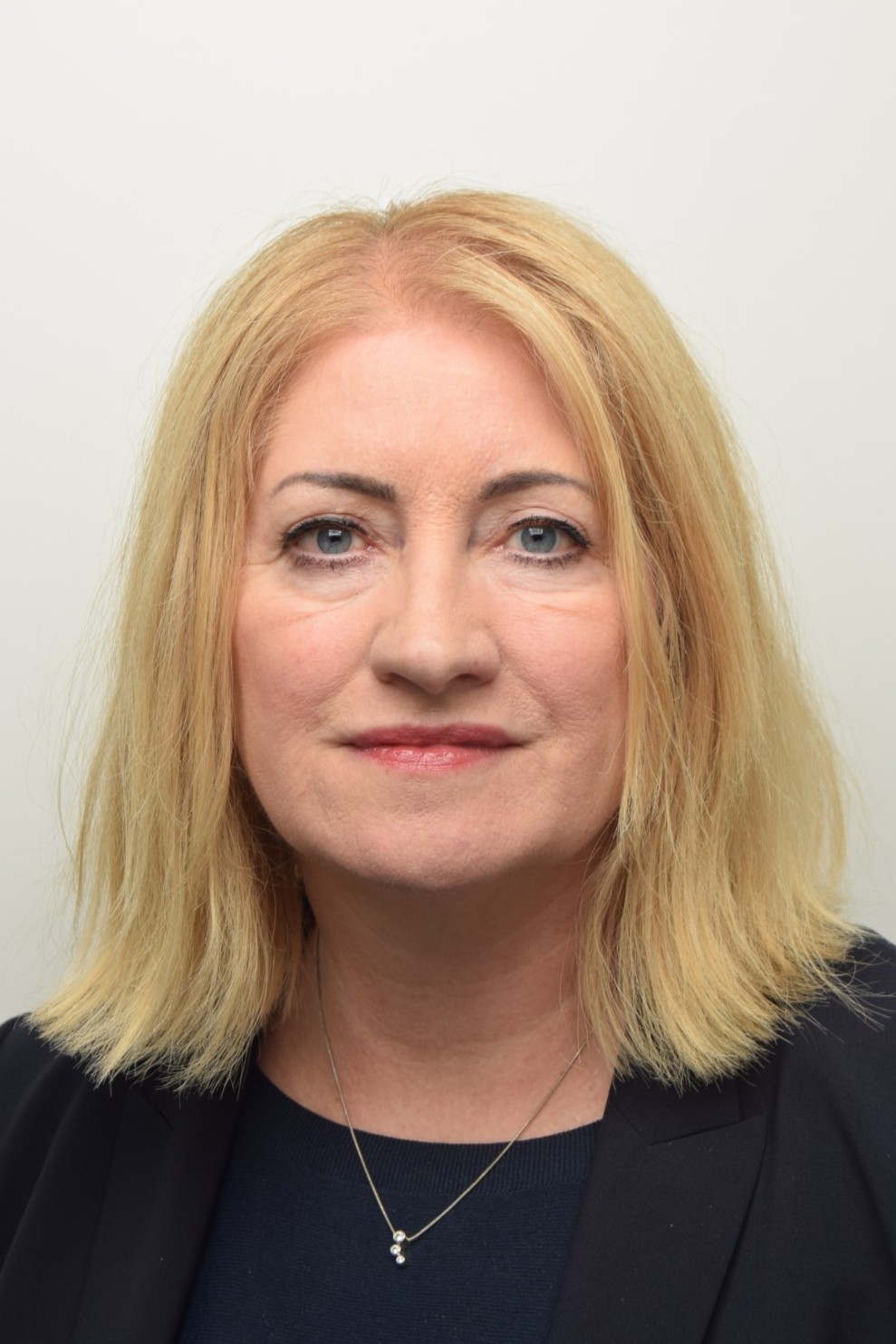
Ingrid Bachler (Austria, Lutheran)
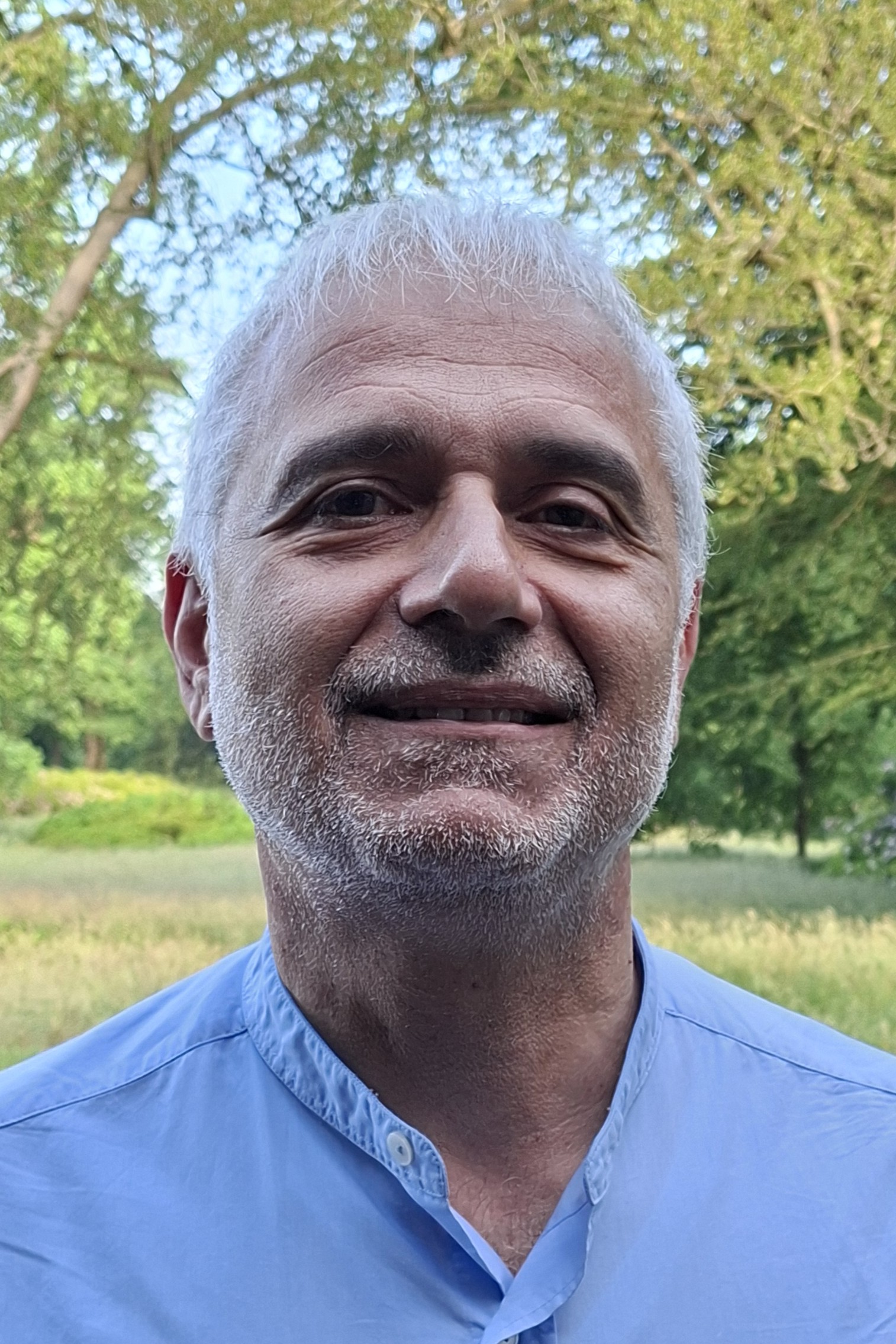
Dimitris Boukis (Greece, Reformed)
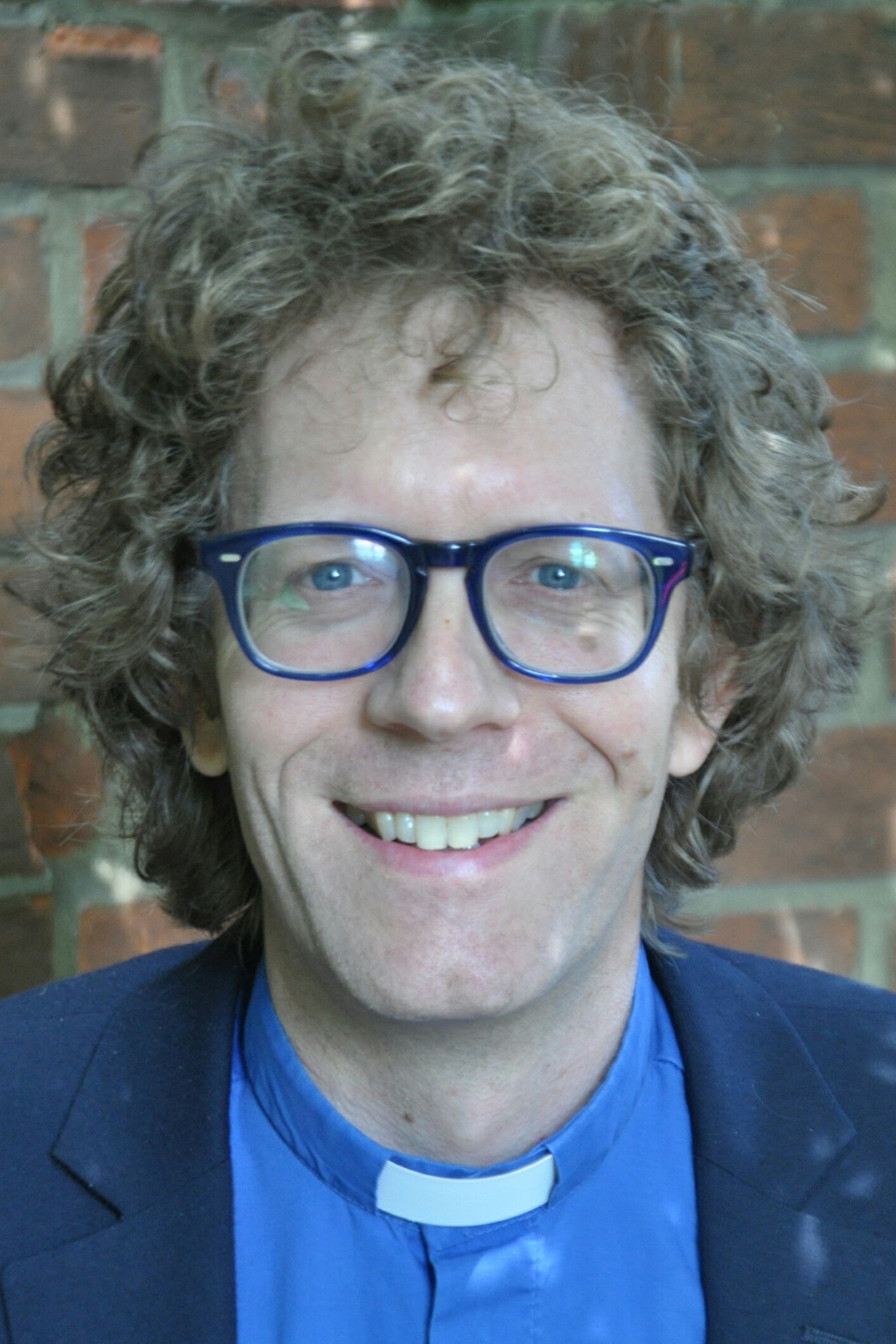
Nathan Eddy (United Kingdom, United)
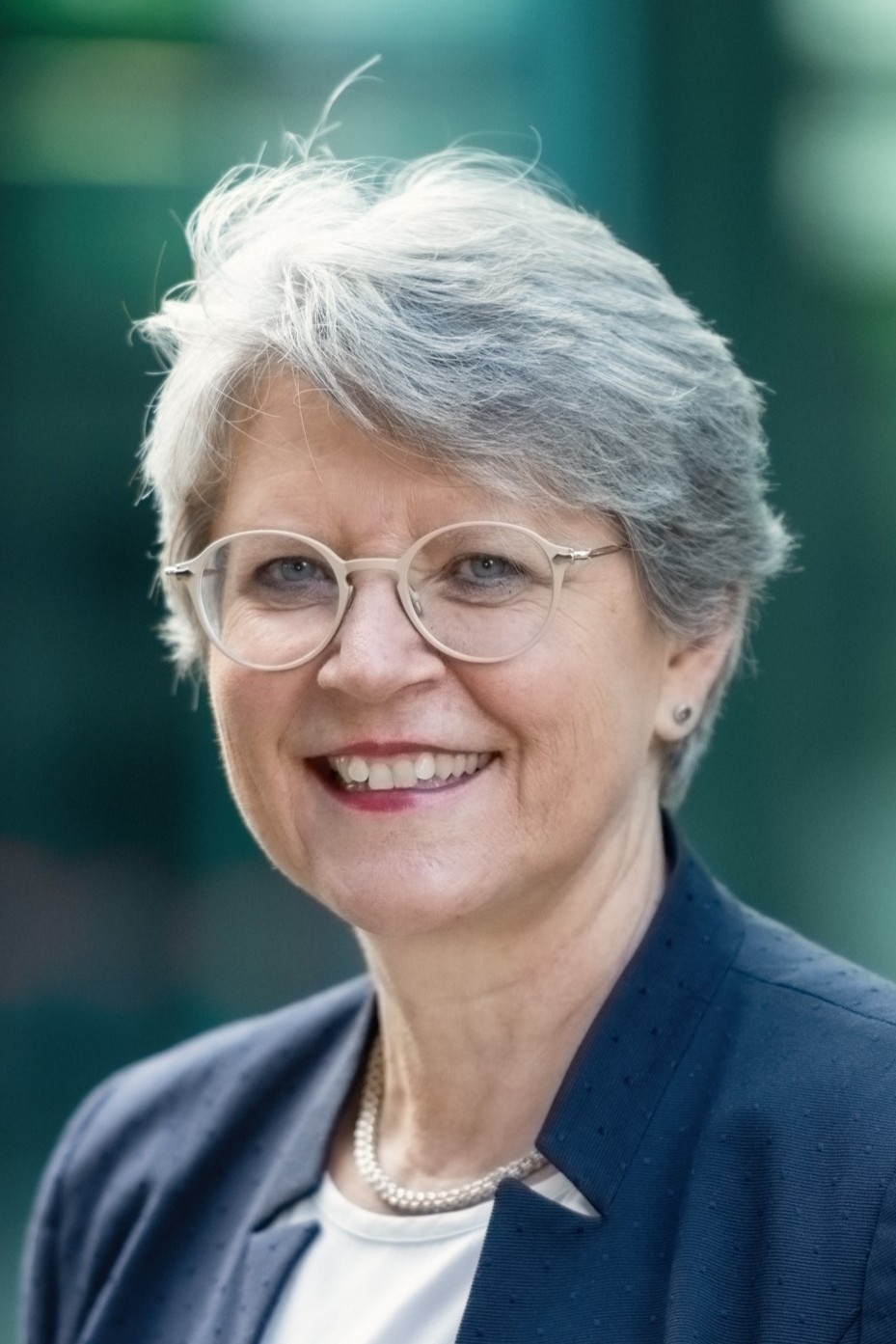
Rita Famos (Switzerland, Reformed) - CPCE-President
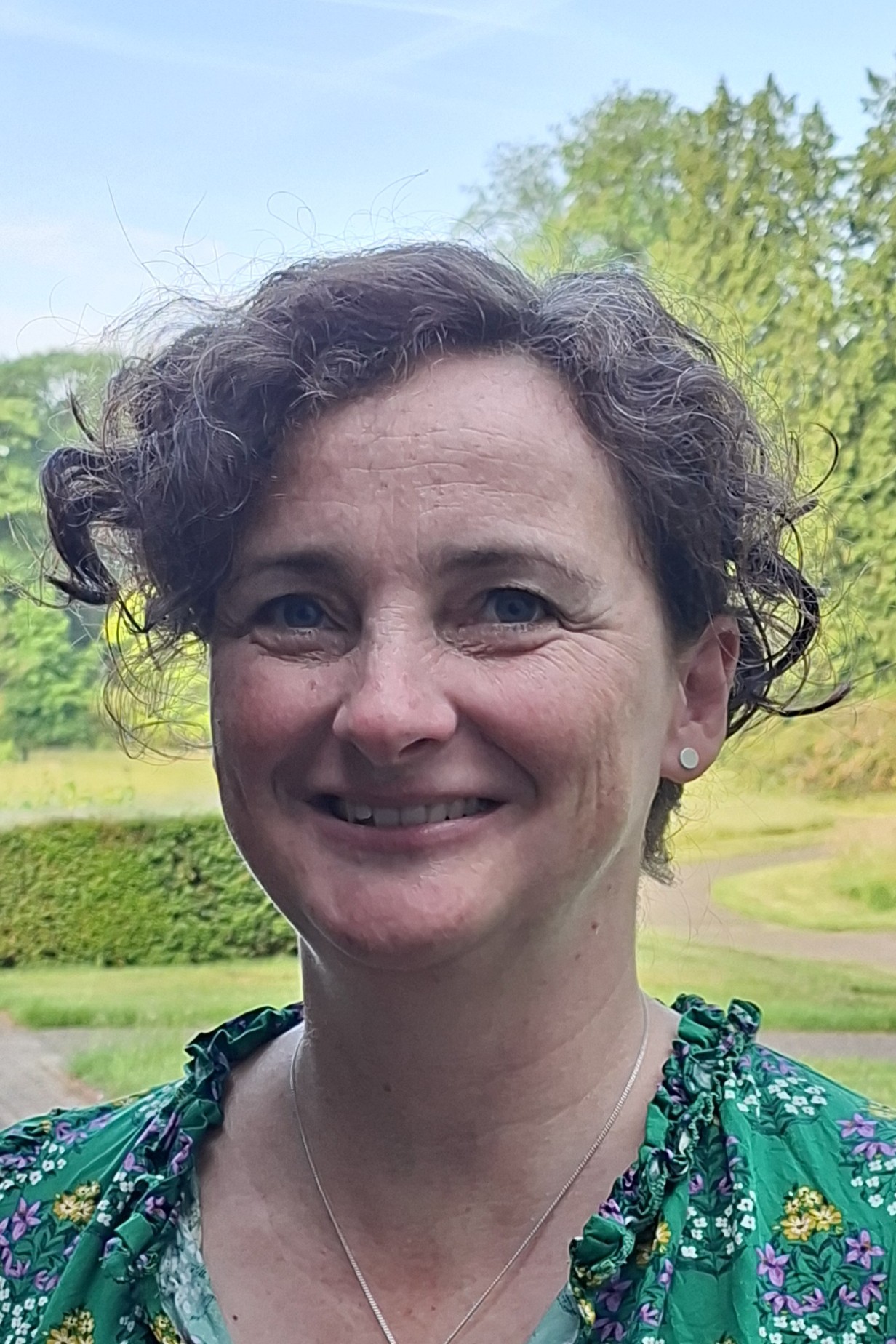
Annette Gruschwitz (Germany, Methodist)
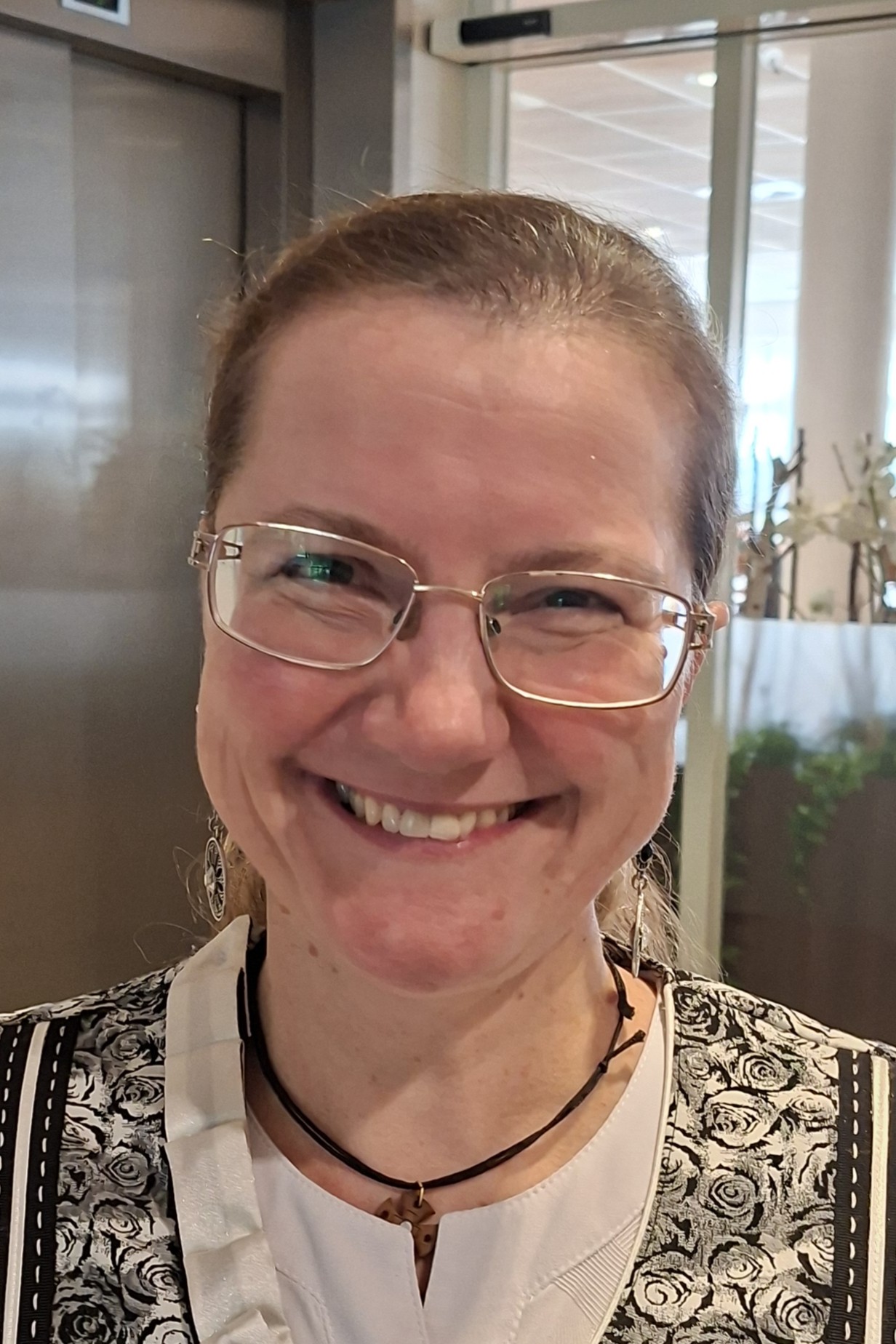
Eva Guldanová (Slovakia, Lutheran)
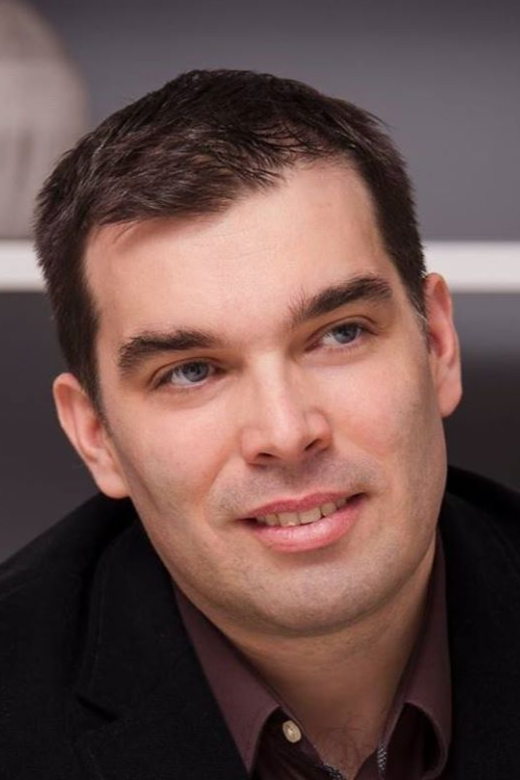
Tamás Kodácsy (Hungary, Reformed)
Georg Plasger (Germany, Reformed) - CPCE-President
Thomas Prieto Peral (Germany, Lutheran)
Ulrich Rüsen-Weinhold (France, United)
Ulrike Scherf (Germany, United)
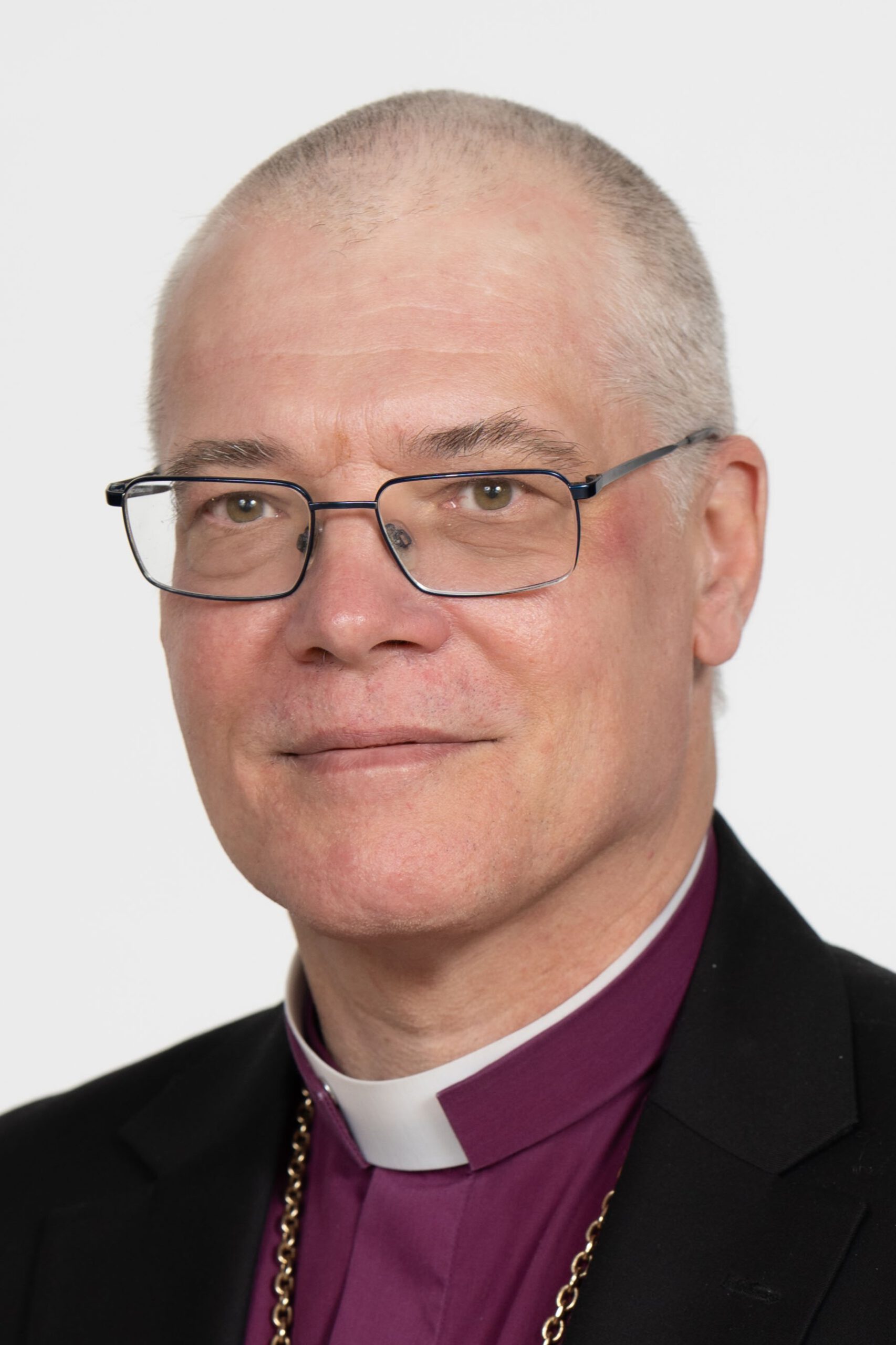
Marko Tiitus (Estonia, Lutheran) - CPCE-President
Proxy Council Members
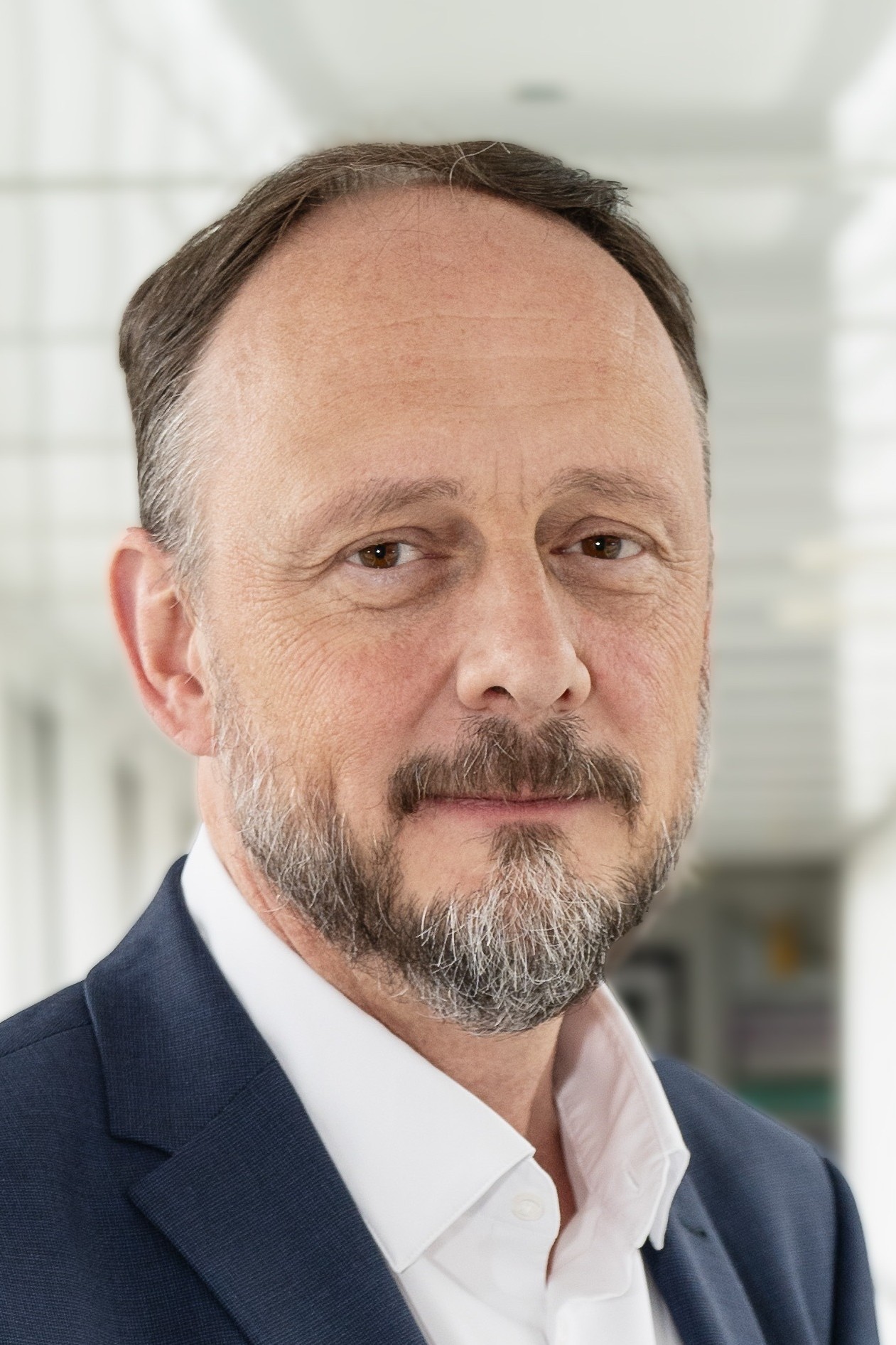
Markus Schaefer (Germany, United)
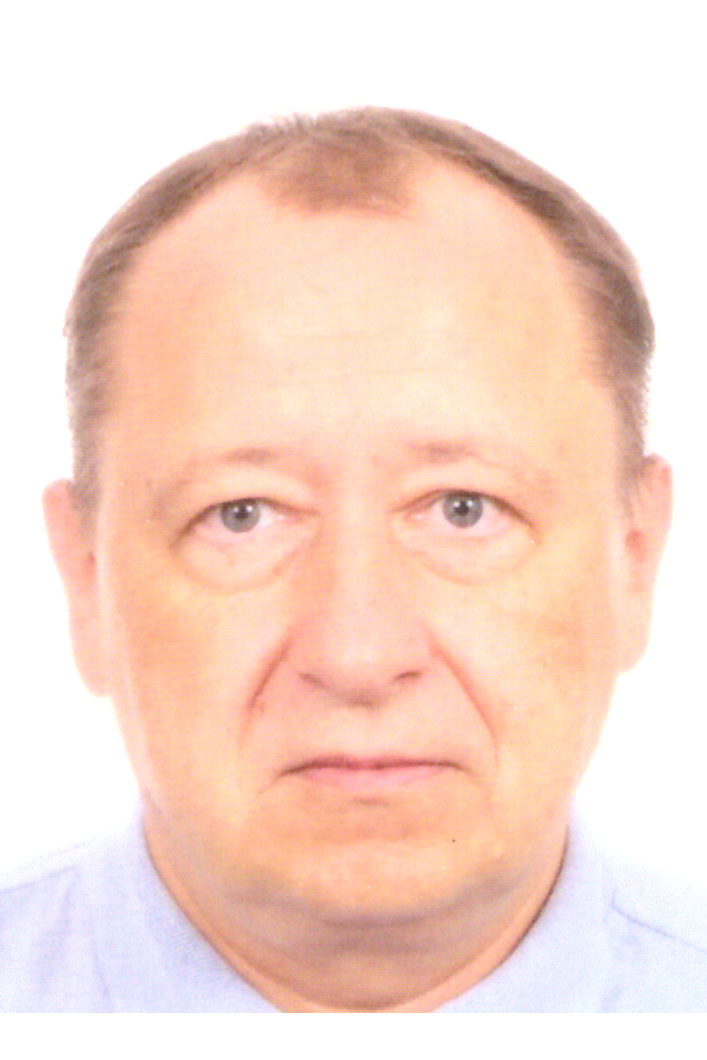
Pawel Andrzej Gajewski (Italy, United)
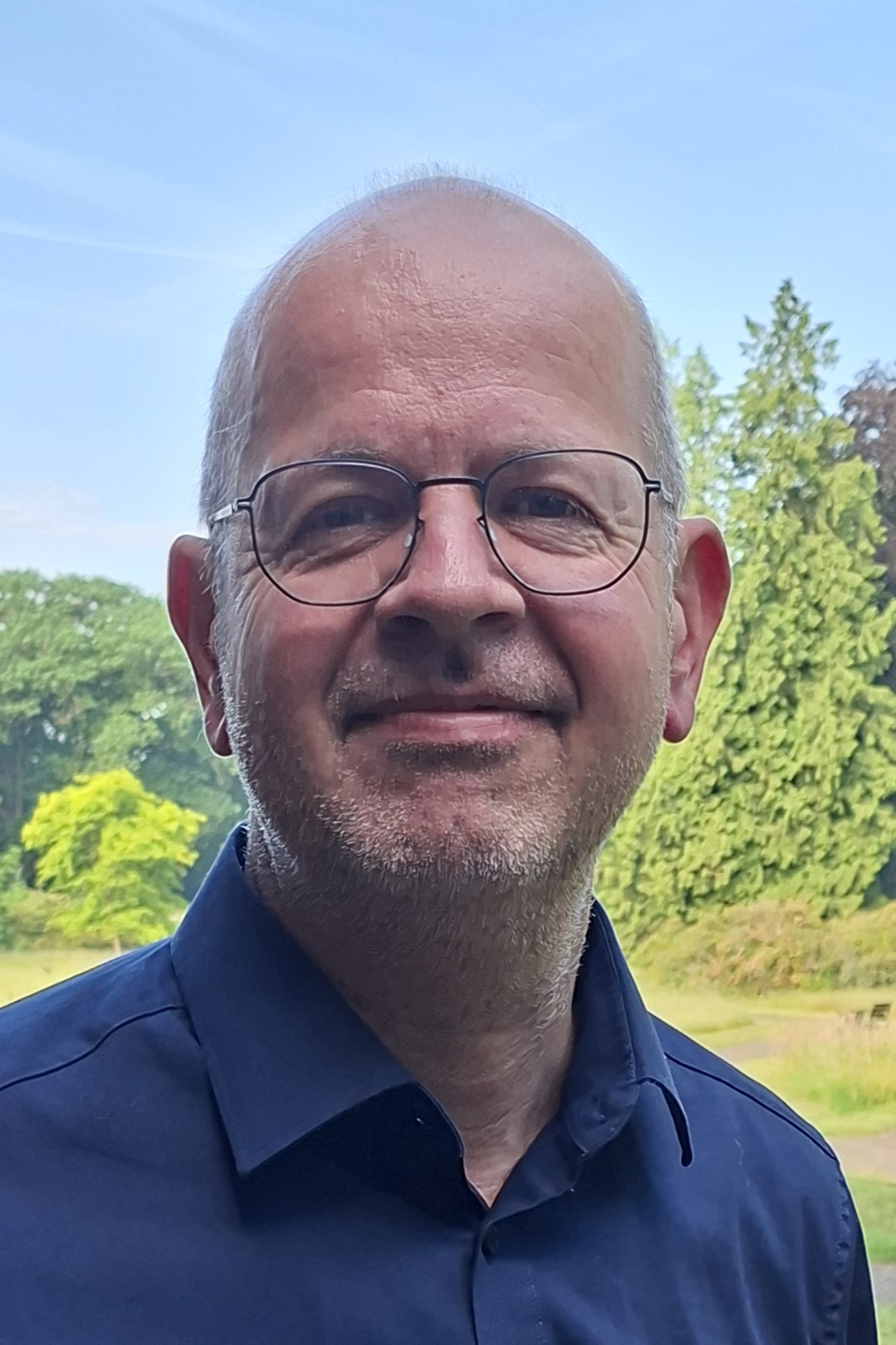
Marco Batenburg (Netherlands, United)
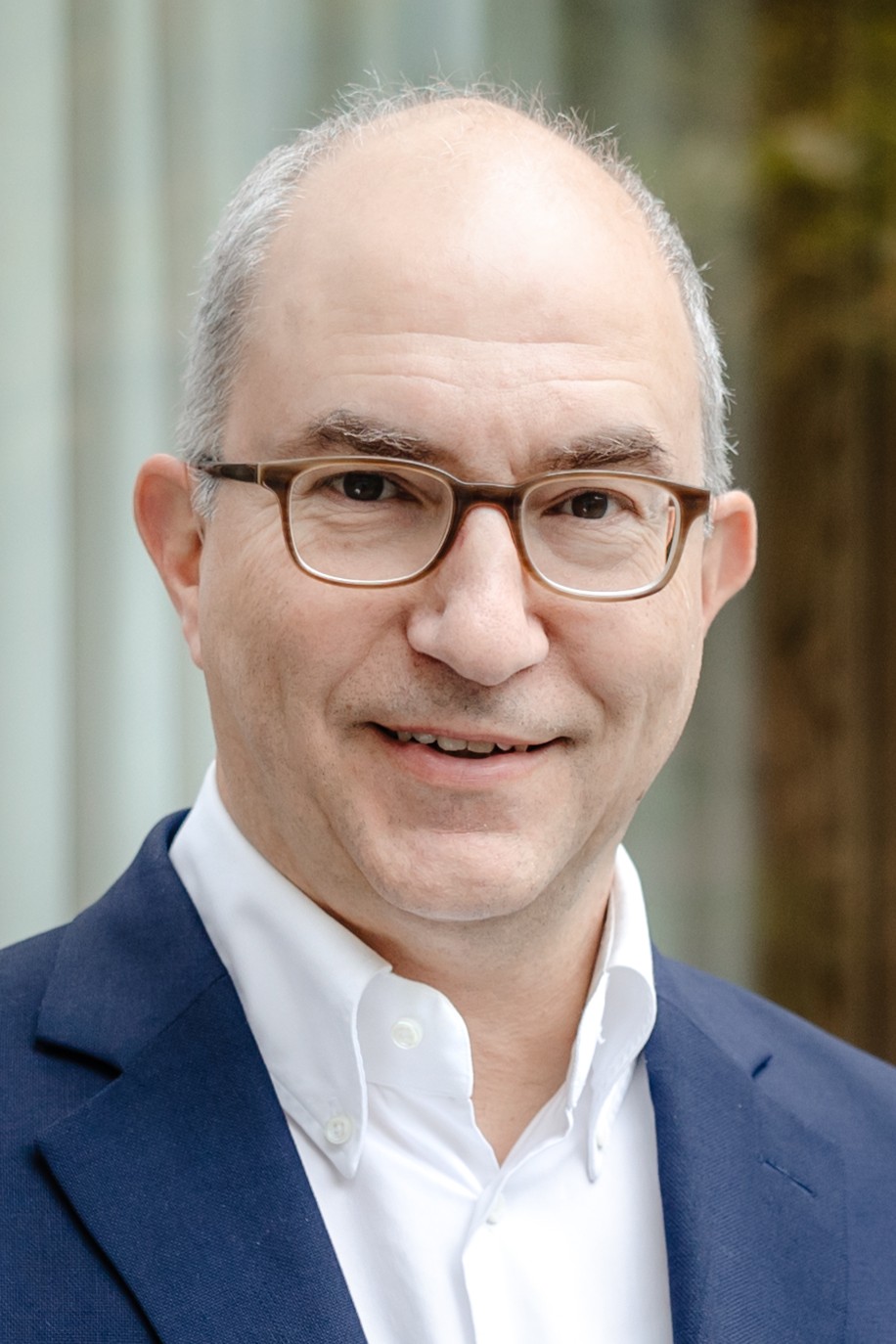
Martin Hirzel (Switzerland, Reformed)

Jørgen Thaarup (Denmark, Methodist)

Jana Hofmanová (Czech Republic, United)
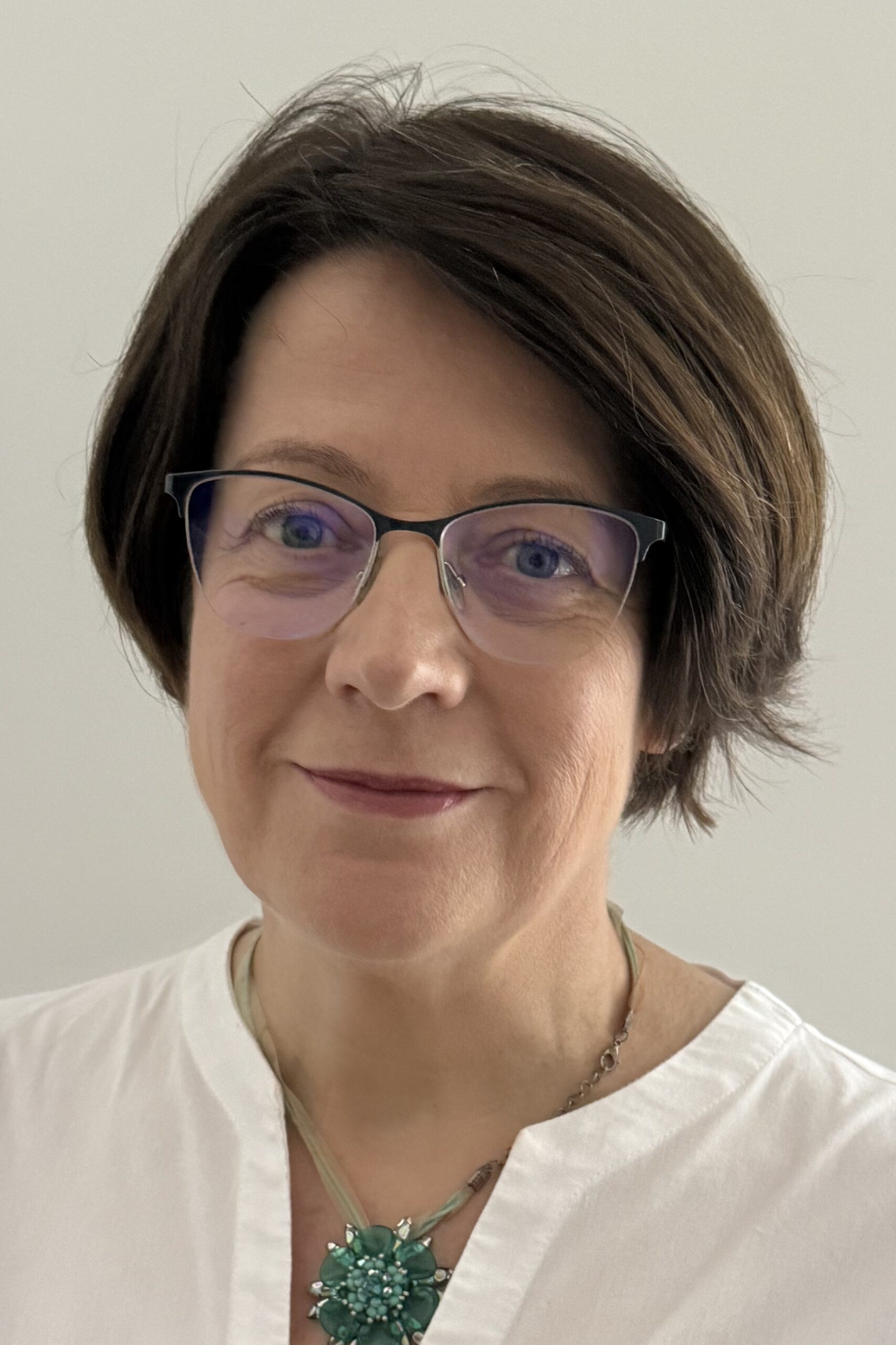
Klára Tarr Cselovszky (Hungary, Lutheran)
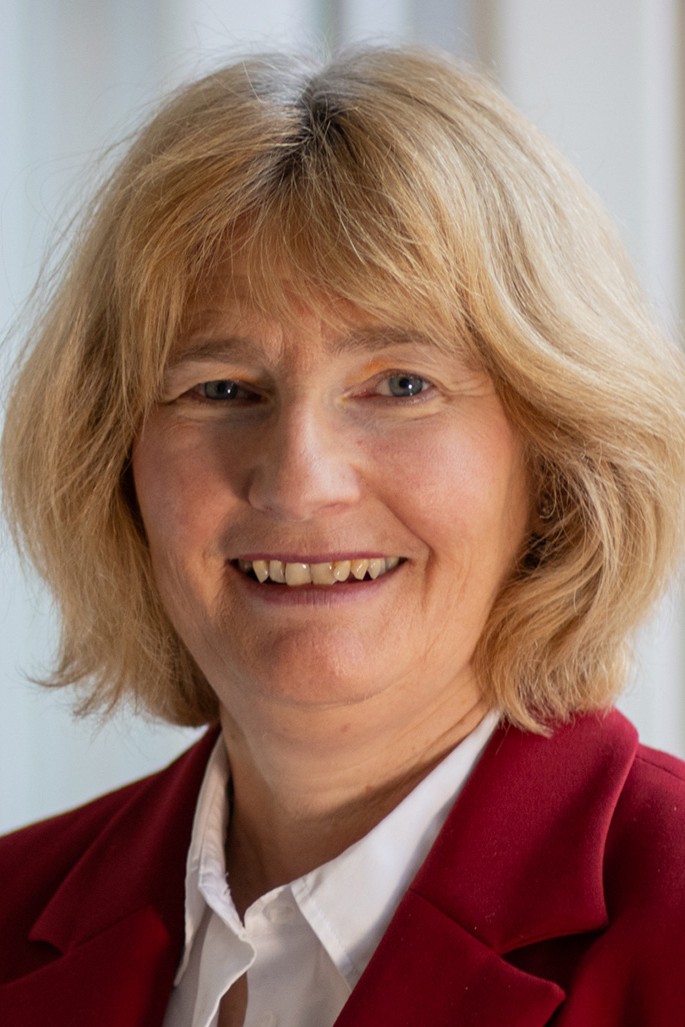
Susanne Bei der Wieden (Germany, Reformed)
Raphael Quandt (Germany, Lutheran)
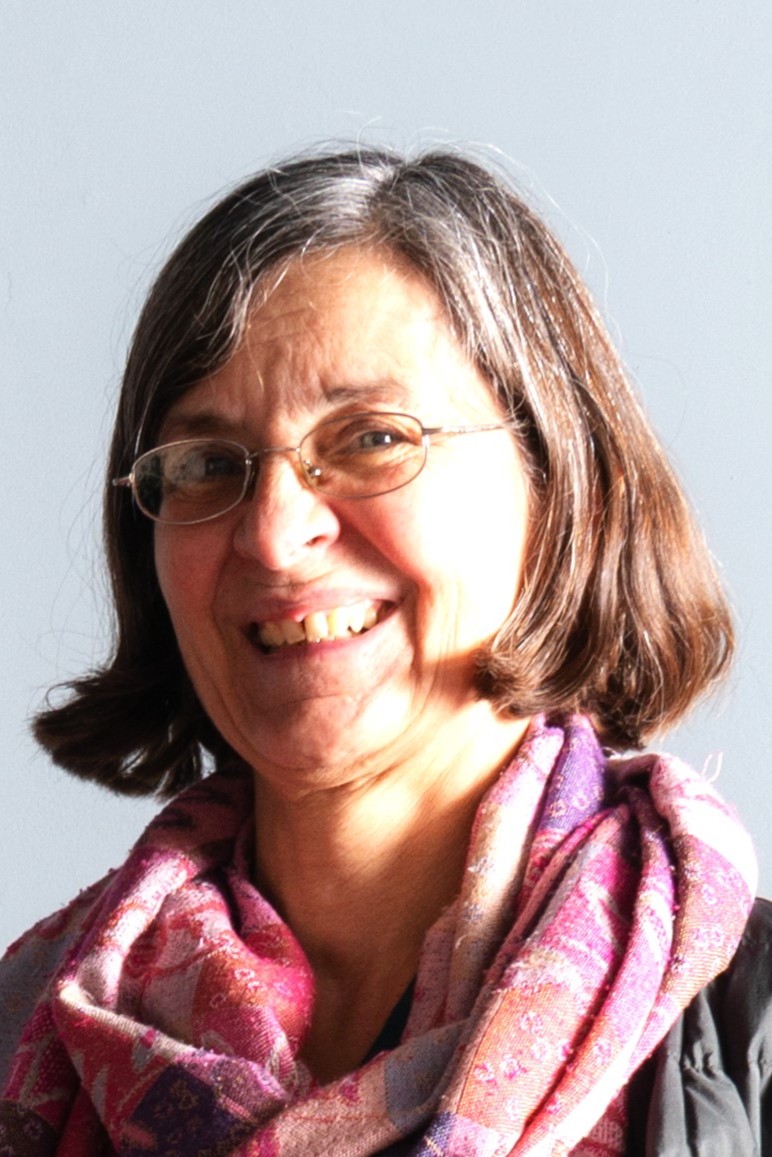
Petra Magne de la Croix (France, United)
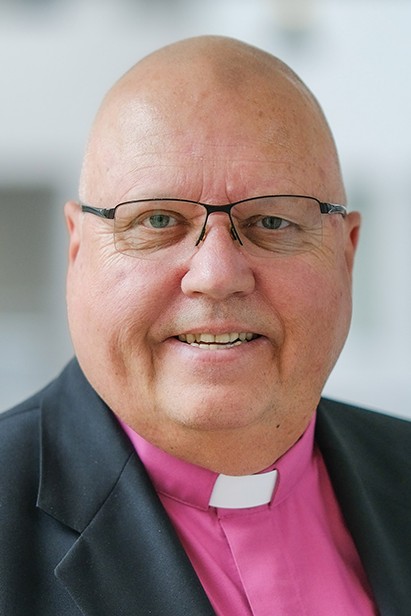
Frank Kopania (Germany, Lutheran)
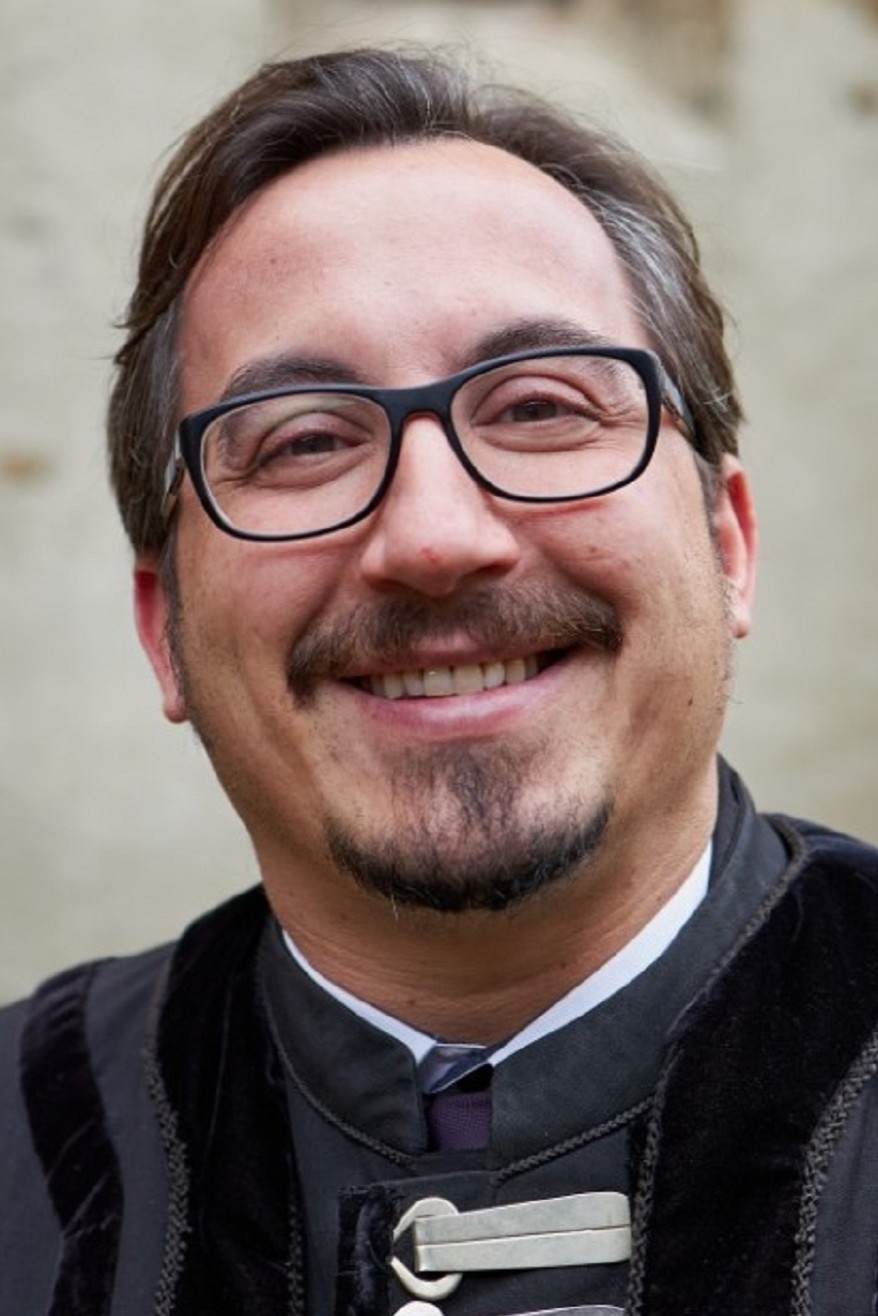
Gerhard Servatius-Depner (Romania, Lutheran)
The Structure of the CPCE
The CPCE is made up of many bodies, which interact with each other and form the structure of the Communion. The Head Office in Vienna organizes the Council meetings. The General Secretary and the Presidium (made up of three Council members) work together to make decisions. All the work done within the framework of the CPCE, as well as new topics, is approved by the General Assembly which takes place every 6 years.
The content of CPCE's work consists of doctrinal dialogues and study processes, as well as consuultations and working groups, that relate to the current situations of the Church. Ecumenical, liturgical, ethical, and religious education topics as well as questions regarding migration are discussed and worked on by specific Advisory Boards.
The 96 Member Churches are divided into different European Regional Groups.
The CPCE has eight cooperation partners.
