Cooperation Partners
Fellowship of the Middle East Evangelical Churches
In 2006, the Protestant churches in the Middle East joined together in a church communion with the Amman Declaration. As in the Leuenberg Agreement of 1973, they recognise the sacraments, ministries and ordinations of the participating churches and commit themselves to pulpit and communion fellowship and to their common witness and service.
This makes the Fellowship of the Middle East Evangelical Churches (FMEEC) the sister church fellowship of the CPCE in the Middle East.
The CPCE General Assembly 2018 in Basel gave the mandate to intensify the relationship with the FMEEC.
This relationship consists on the one hand in including delegates of the FMEEC in certain CPCE work areas and consultations (often, however, hindered or prevented by denied visas), and on the other hand in supporting social projects in cooperation with the Gustav-Adolf-Werk Leipzig.
Gustav-Adolf-Werk
The Gustav Adolf Werk e. V. Diaspora Work of the Evangelical Church in Germany, founded in 1832, is the oldest nationwide Protestant relief organisation in Germany. It is based in Leipzig and bears the name of the Swedish king Gustav II Adolf. It is an umbrella organisation for 21 main groups (Gustav Adolf Works in the Protestant regional churches) and 19 women's groups. The association helps ‘Protestant communities worldwide to live their faith in Jesus Christ in freedom and to work diaconally in their environment’.
For decades, the GAW has been running numerous aid projects for Protestant minorities around the globe. For the CPCE, it is the ideal project partner for implementing social projects, primarily in Eastern Europe.
There is much to be done – for example, creating a social safety net for children and young people whose parents work abroad. It is also important to ensure medical care in orphaned regions.
The funds are provided by the Protestant Waldensian Church in Italy, which is a member church of the CPCE, from OPM funds.

ZETO
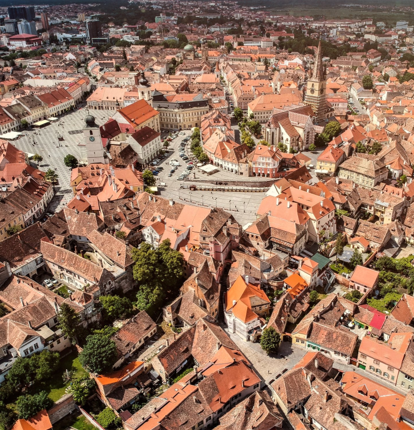
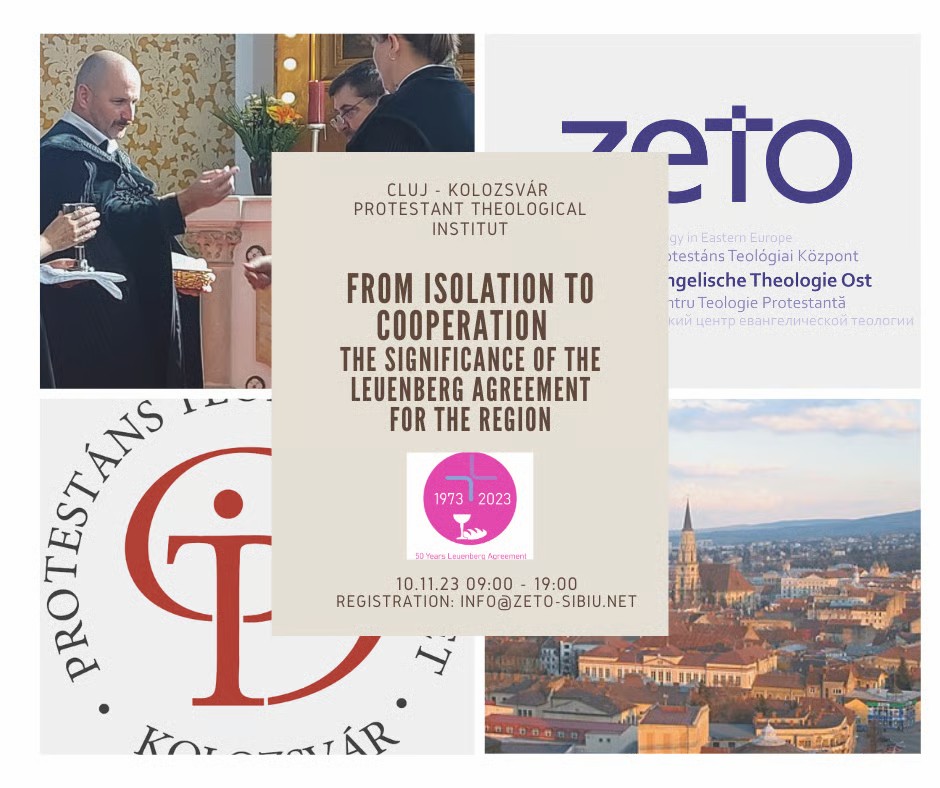
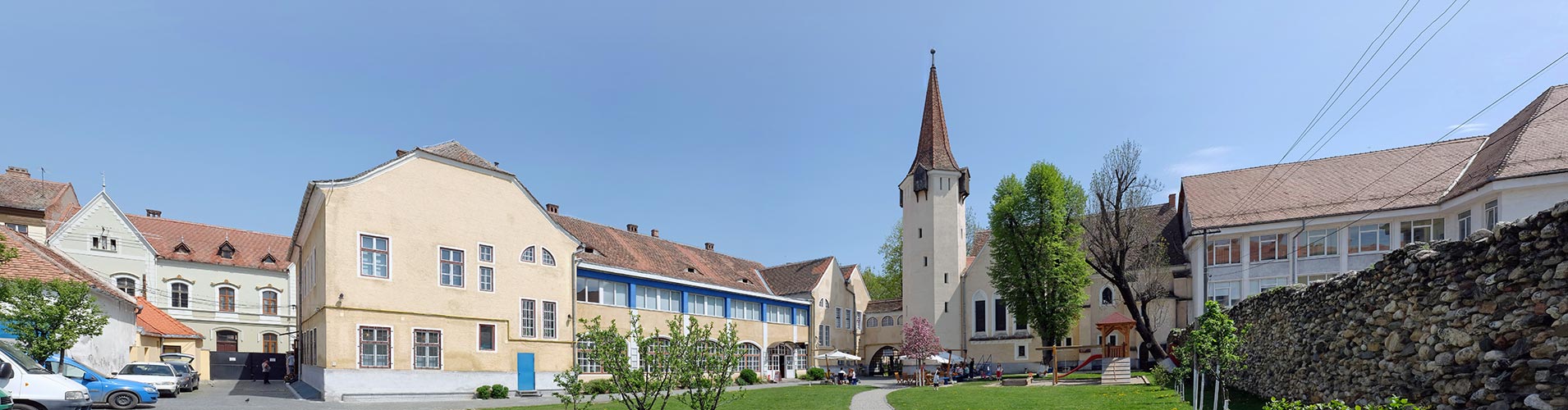
ZETO, the Centre for Protestant Theology in Eastern Europe based in Sibiu (Romania), is a theological institution that aims to make Protestant theology fruitful for churches and civil societies in an Orthodox context. Important topics include dialogue between Protestantism and Orthodoxy, as well as the diaspora situation of Protestant churches.
The three pillars of ZETO are ‘Education’ (Department of Protestant Theology at Lucian Blaga University), ‘Orthodoxy and Ecumenism’ (at the Institute for Ecumenical Research, Sibiu) and ‘Civil Society’ (at the Friedrich Teutsch House Meeting and Cultural Centre, Sibiu). The three institutions, which are under different auspices, have joined together to form ZETO.
ZETO is a centre of excellence in the Orthodox environment which, on the one hand, serves to train pastors and religious education teachers from Protestant diaspora churches in this context and, on the other hand, brings together these churches, which are asserting themselves in the Orthodox world, for regular consultations and networking meetings.
In addition to the study of Protestant theology at Lucian Blaga University, ZETO also offers an ecumenical semester at the Institute for Ecumenical Research, which is also supported by the Orthodox faculty, for students and pastors in contact studies or sabbaticals, as well as the possibility of language courses, research stays, guest vicariates, etc.
Centro Melantone
The Centro Melantone is an ecumenical study centre founded in 2002 by the Evangelical Lutheran Church in Italy (ELKI) and the Waldensian Faculty of Theology. In line with the Communion of Protestant Churches in Europe, the centre sees itself as a platform for Protestant theologians from all over Europe who wish to study the many facets of the Christian metropolis of Rome in greater depth.
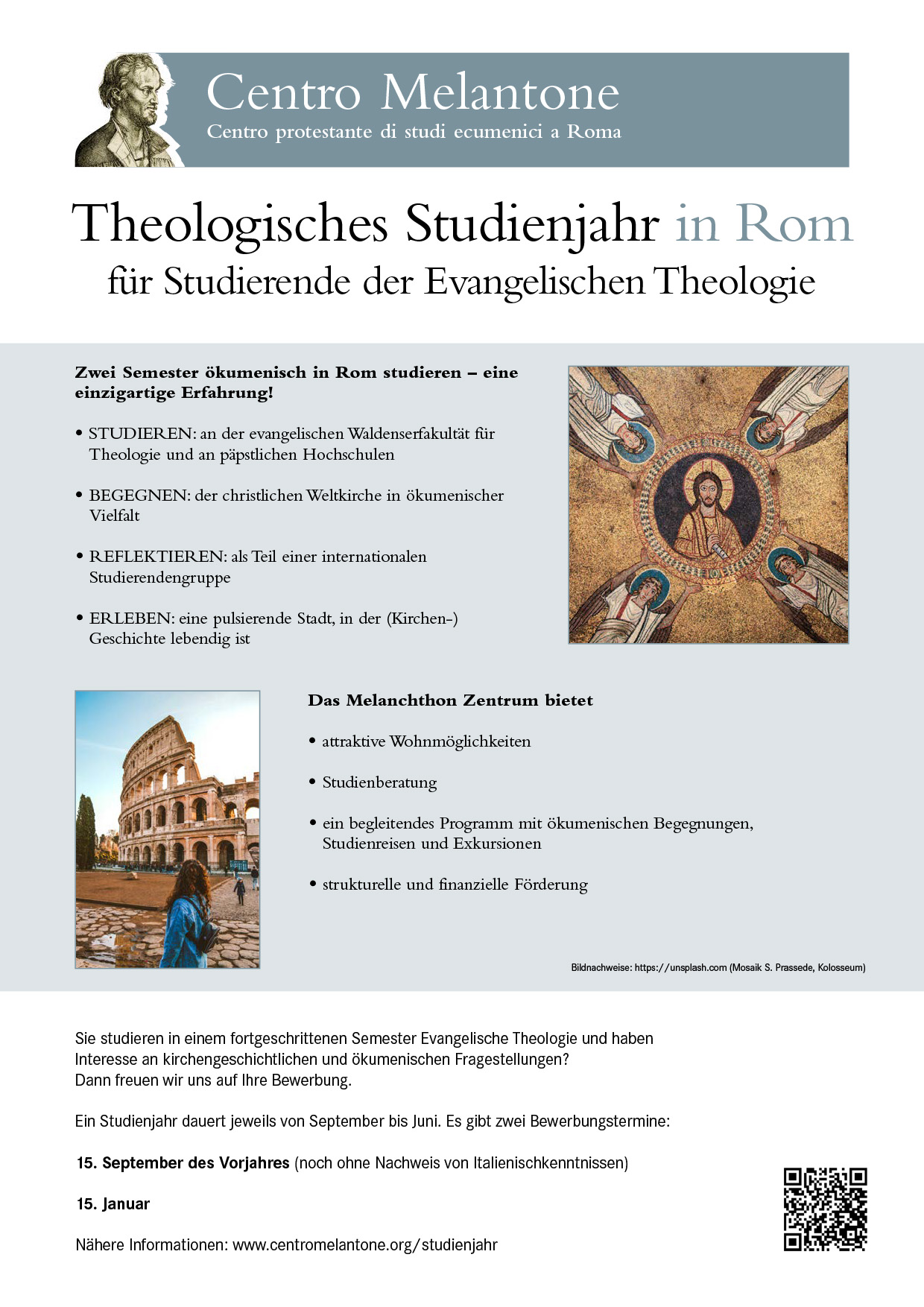
Study theology in Rome for a year
The Centro Melantone offers a study year and a summer course in Italian in Rome for theology students from other countries. The theological study year in Rome offers a unique opportunity to study at papal universities and at the Protestant Waldensian Faculty of Theology, to gain ecumenical experience and to reflect in an international group of Protestant students. To this end, students participate in a tutoring programme with the director of studies at the Centro Melantone. The Centro Melantone organises an Italian language course at the beginning of the academic year and assists with enrolment at the Roman universities. The study centre offers accommodation for ten students in the ELKI church administration.
Conferences and further training
The study centre also regularly offers international academic conferences as well as study and further training courses in Rome for theology students, pastors and religious education teachers in German and English. The conferences and courses focus on church history and ecumenical topics that are directly related to the city of Rome and the Roman Catholic Church. The events of the Centro Melantone are usually held in cooperation with other institutions.
Biblical Dialogues
The European Biblical Dialogues (formerly Berlin Bible Weeks) are run by the Union of Evangelical Churches of EKD (Evangelical Church in Germany) since 1953. The CPCE linked up informally with this initiative in 1990 before formalising the relationship in 2017. One seminar each year is explicitly aimed at congregation members from the CPCE’s member churches, and several sessions are run in two languages (German and English). Participants from outside Germany are welcome to attend all events. The sessions involve both Bible contemplation and attention to a key issue in current affairs. They help participants to benefit from the experiences of other CPCE churches, thus deepening our church communion.
Information about the European Biblical Dialogues and the current programme can be found here.

European Melanchton Academy
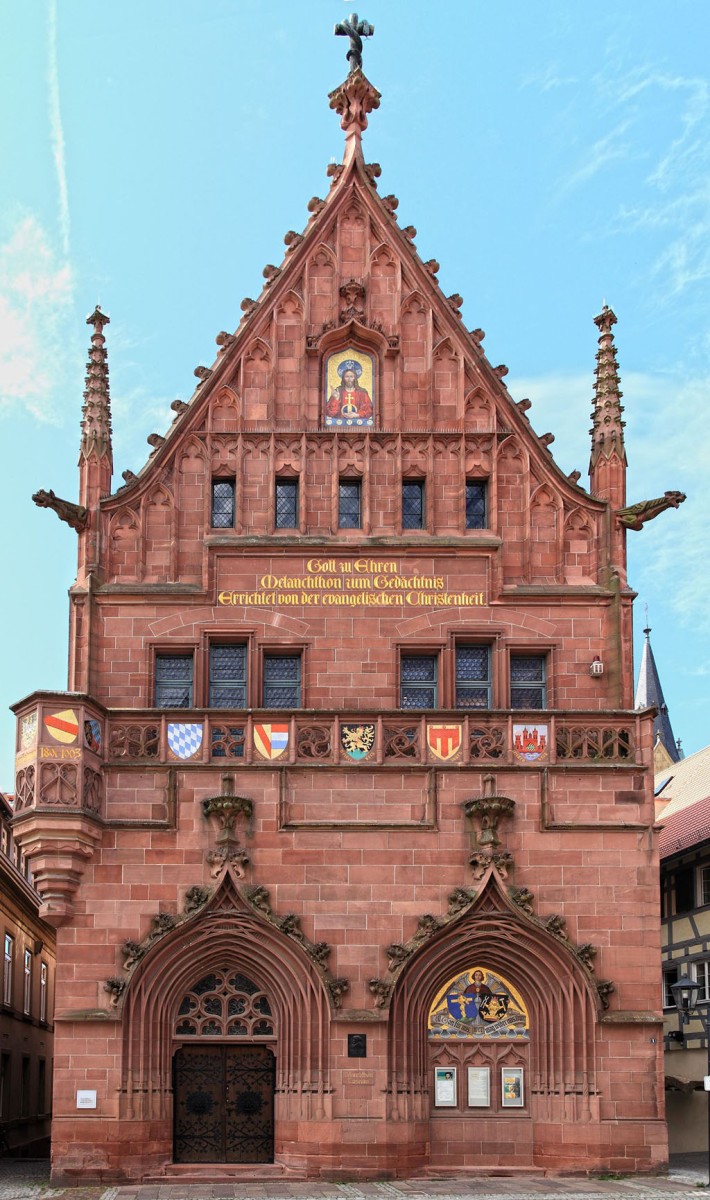
The European Melanchthon Academy in Bretten sees itself as a research and educational academy with an international focus. It pursues Melanchthon's ideas in various fields of knowledge and promotes dialogue on current research topics through interdisciplinary exchange. To this end, it works closely with other educational institutions, universities and academies. It hosts academic symposia and organises internationally oriented scholarship programmes and interdisciplinary workshops.
Institute for Confessional Studies
The Institute researches current developments in the various Christian denominations and promotes exchange between academic theology and church practice. It offers continuing education courses and seminars on denominational and ecumenical topics for pastors, religious education teachers, interested parishioners and students. In addition, the Institute for Confessional Studies advises church leaders and decision-makers, regional church ecumenical officers, ecumenical committees and the Protestant Alliance.
Johannes a Lasco Library
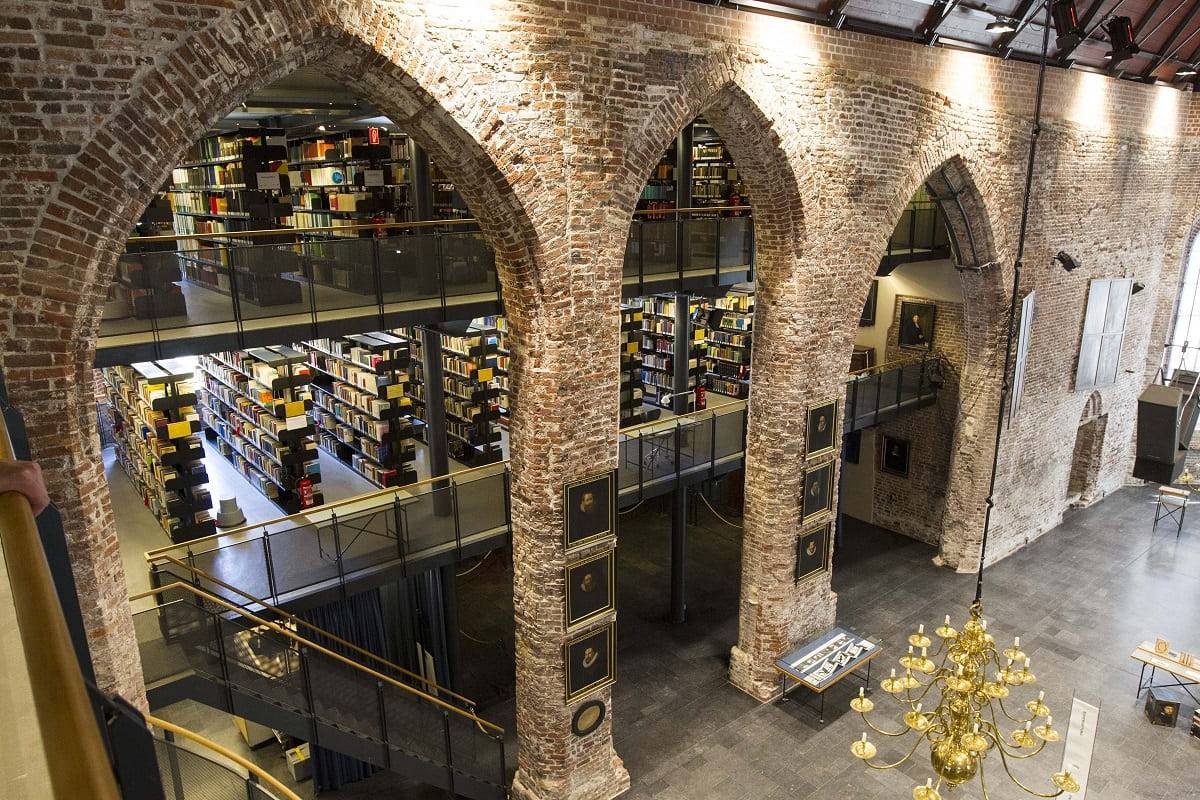
The Johannes a Lasco Library is an internationally recognised academic institution for research into Reformed Protestantism in the context of the development of early modern denominations. The library conducts and publishes interdisciplinary and interdenominational comparative research, with its research activities supported by an equally interdisciplinary and interdenominational academic advisory board.