Ecumenical dialogues
The CPCE maintains partnerships and dialogues with other churches, church communities, denominations and associations throughout Europe and around the world, currently with the Anglican Church, the European Baptist Federation, the Orthodox Church and the Roman Catholic Church. These partnerships examine doctrinal differences and parallels and explore the possibility of accession to the CPCE or other forms of cooperation.
History of Ecumenical Dialogues
Accession of Methodist churches to the CPCE
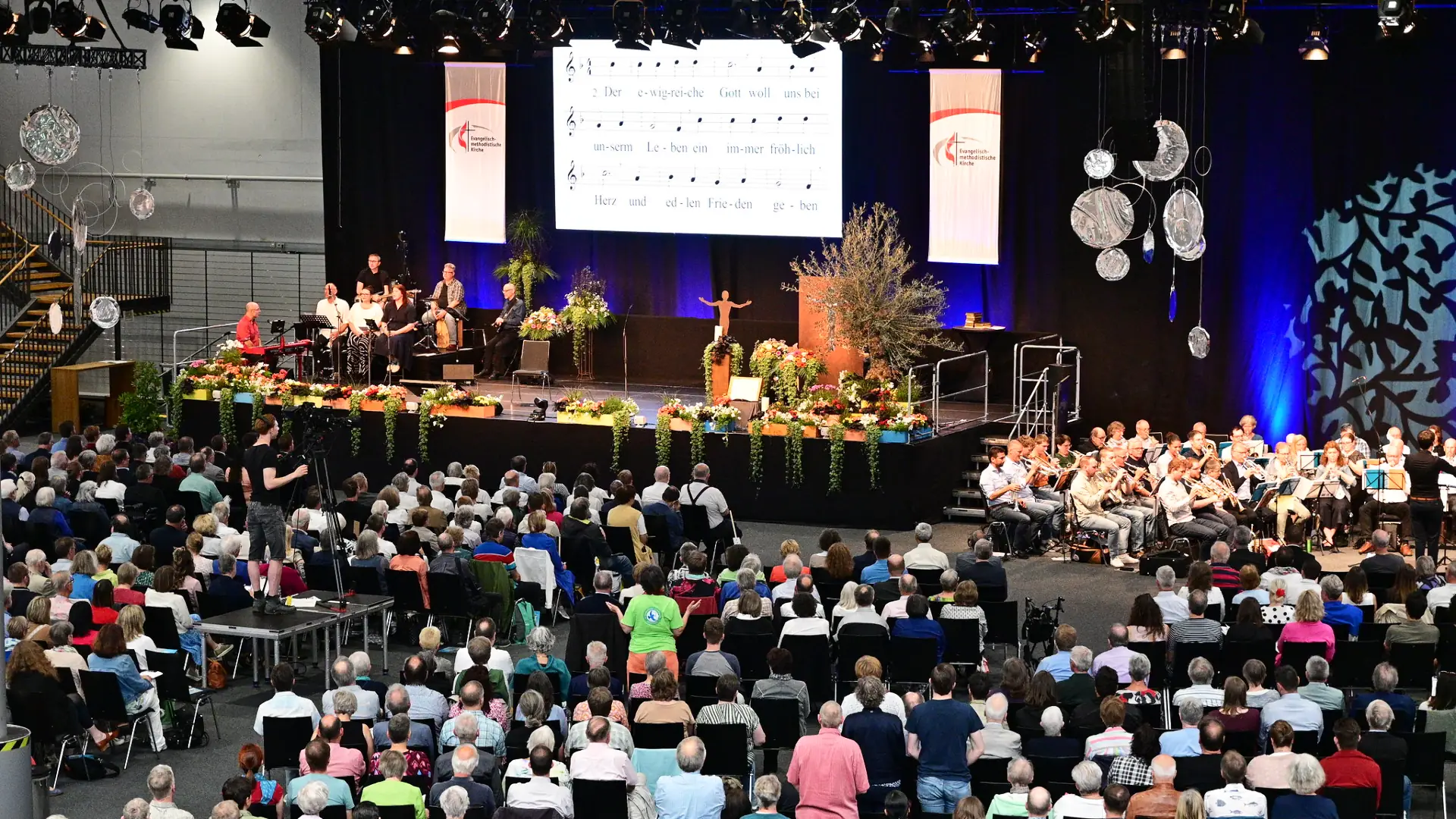
The following Methodist churches joined the Communion of Protestant Churches in Europe in the 1990s:
- the Methodist Church in Great Britain (1997) and
- the United Methodist Church with its European member churches (from 1999).
Through their participation in the Leuenberg Agreement, they participate fully in the mutual recognition of preaching, sacraments and ministry and take part in the theological and synodal life of the CPCE.
With their characteristic emphasis on unifying ecclesiology, holiness, mission and social responsibility, the Methodist churches greatly enrich the CPCE.
Dialogue with the Anglican Church
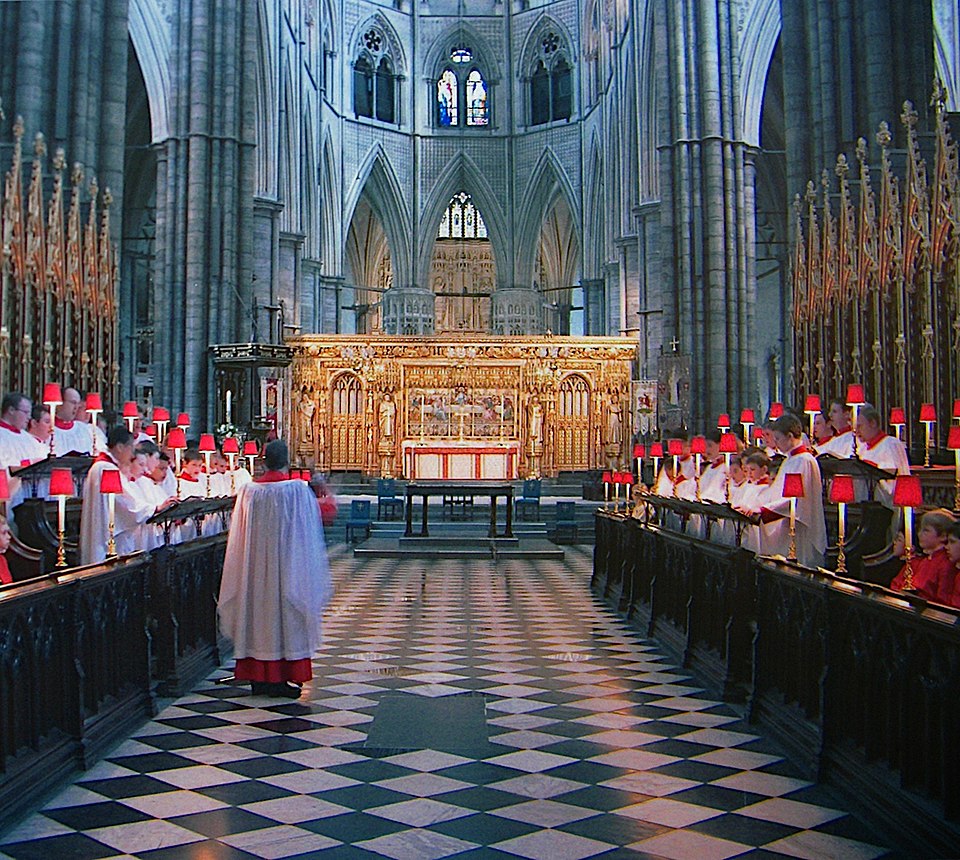
Discussions between the Leuenberg Fellowship and the Anglican Churches involved in the Meissen and Porvoo agreements began in Liebfrauenberg (Alsace). Similarities, differences and the possibility of closer unity were explored and published as Leuenberg Text 4.
2012 The informal discussions led to a Memorandum of Affirmation and Commitment, which was signed in 2012.
Current status: Mutual initiatives from the Anglican and CPCE contexts, based on a common understanding of the Gospel and the sacraments, aim to intensify common life and work. In addition, a number of CPCE member churches are in full ecclesial communion with Anglican churches and, together with some CPCE participating churches, are building bridges in various ways through these existing relationships.
Dialogue with the European Baptist Federation (EBF)
The CPCE and the European Baptist Federation entered into official discussions (2002–2004) to explore opportunities and challenges on the path to full church fellowship and to strengthen cooperation.
2006: The final text, ‘The Beginning of Christian Life and the Nature of the Church,’ was published asLeuenberg Text 9.
2010 A formal agreement was concluded establishing the CPCE and the European Baptist Federation as cooperating bodies.
2024: The CPCE General Assembly and the Council of the European Baptist Federation decided to resume dialogue – currently the focus of CPCE dialogues – to work out responsible ways for individual EBF member associations to join the CPCE.
Dialogue with Orthodox Churches
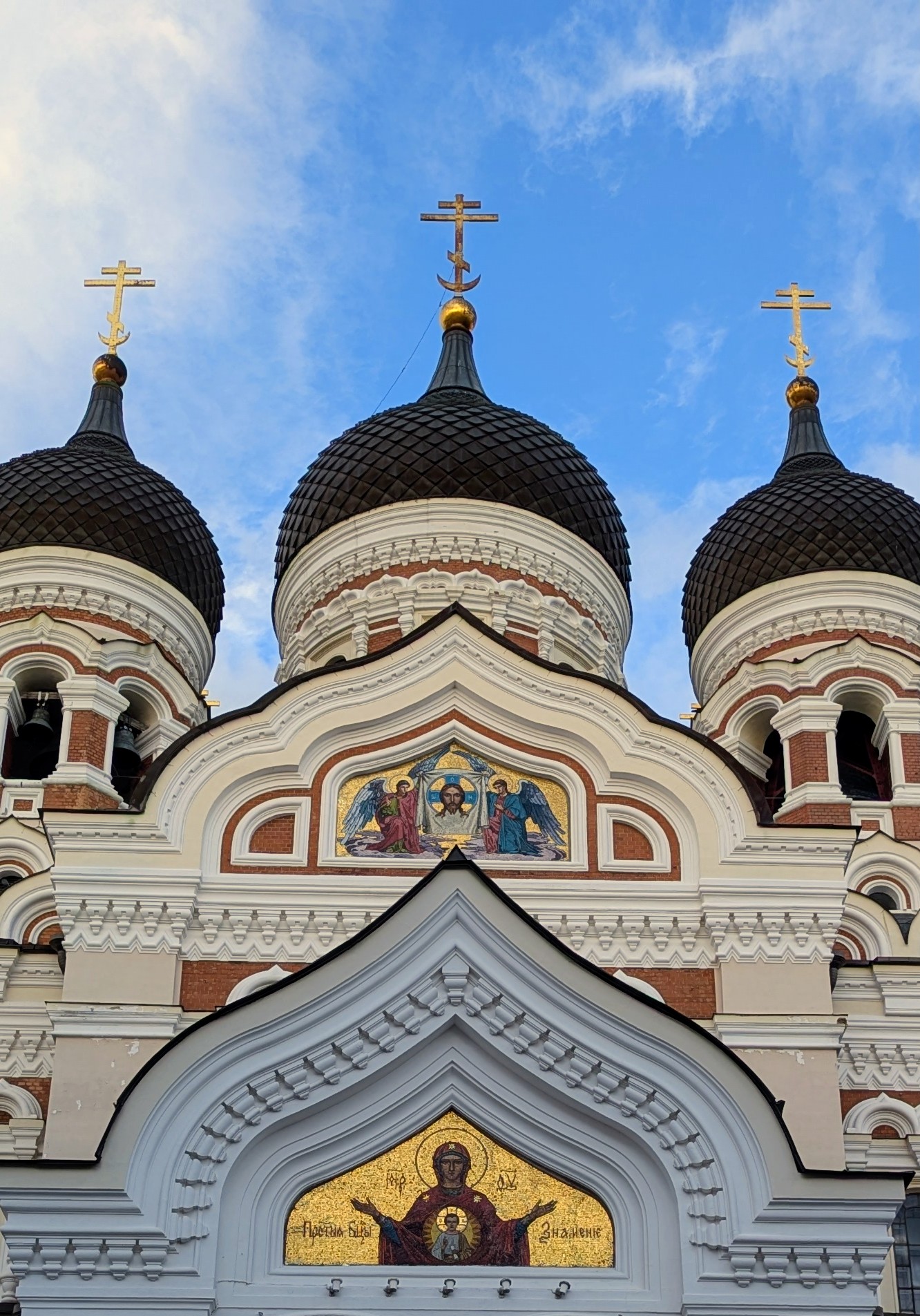
A structured dialogue on ecclesiology began in Crete between the Leuenberg Church Fellowship and the Orthodox Churches of the Conference of European Churches, based on the study ‘The Church of Jesus Christ’ and its vision of ‘unity in reconciled diversity’.
2008 After further consultations in Wittenberg and Istanbul on theological and practical issues including mutual recognition of baptism, the process was concluded in Vienna with a joint communiqué recommending concrete steps towards recognition of baptism, published as Leuenberg Text 12.
Dialogue with the Catholic Church
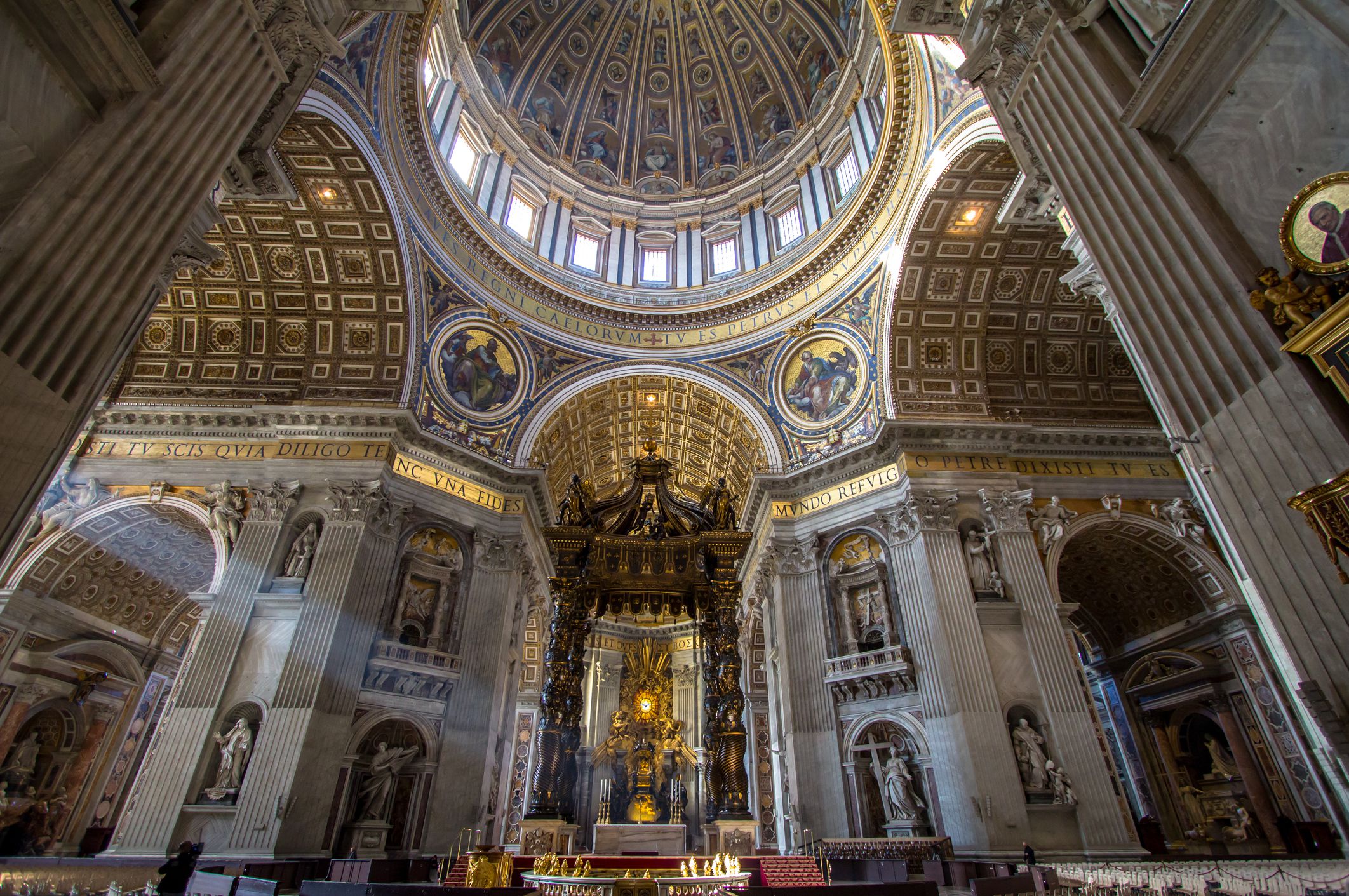
A series of consultations took place between representatives of the Community of Protestant Churches in Europe (CPCE, then CPCE) and the Pontifical Council for Promoting Christian Unity, during which significant agreements were identified in the understanding of the Church, its ministries and ecclesial communion, based on Lumen Gentium and The Church of Jesus Christ.
2018 The joint Report on Church and Ecclesial Communion was welcomed by the CPCE General Assembly, and the intention to enter into formal dialogue was formally and unanimously confirmed.
2025: The formal dialogue phase took place and has currently been suspended by mutual agreement, with both sides planning to decide jointly on its continuation in the coming years.
Dialogue with Migrant Churches in Europe
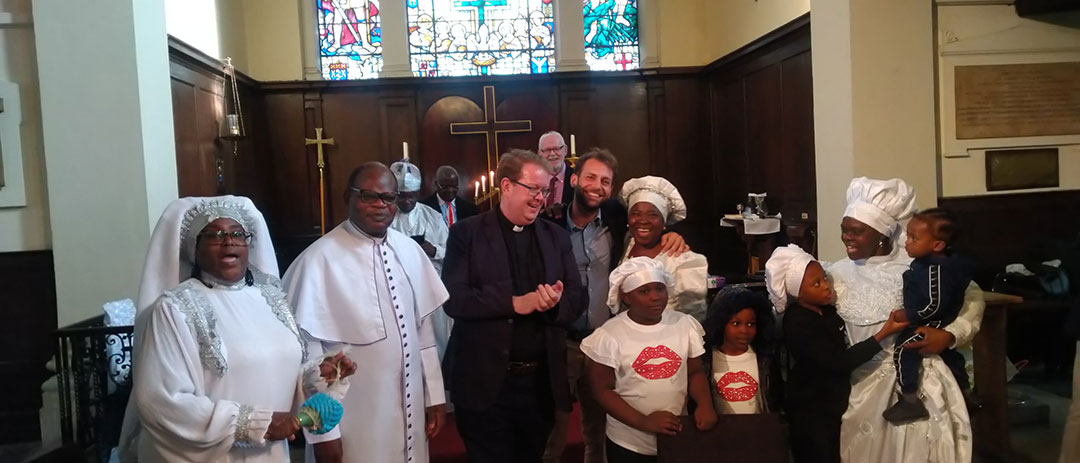
Representatives of the CPCE met with migrant churches in London to deepen relations and theological exchange, particularly with the Cherubim and Seraphim Churches and the Presbyterian Church in Ghana. The meetings included joint worship services, discussions on spirituality, healing and sacraments, and the signing of a memorandum of understanding to continue the dialogue, representing an important step towards closer cooperation with migration-affected churches in Europe.