Churches, or more broadly religious communities, are often regarded as places of tradition, where faith and religious practices have been passed down over thousands of years. Protestant churches, however, assume a more nuanced role in this regard, as they draw upon the Reformation. The aim of the Reformation was to transform the church, critically examining traditions and, at times, abandoning them in order to place greater emphasis on the content of the faith.
Sayings and songs
Unsurprisingly, a much-quoted motto is ‘Ecclesia semper reformanda’, although even among theologians there is uncertainty as to whose quote this motto actually is and what the rest of it might be. This alone shows that change is not alien to the Protestant Church, but rather constitutive of it; yet at the same time, it remains largely unclear how to deal with it or how it should be assessed.
After the CPCE General Assembly in 2024 had requested the theme “Theology of Change” as a study process, the Council adopted a concept in 2025 whereby stories and reflections on change within the Church were first to be gathered from various regions of Europe. The South-East Europe Regional Group showed particular interest, though it chose the slightly modified title “Theology in Times of Change” as the overarching theme for its work.
Change and decay in all around I see;
O Thou who changest not, abide with me.
… so goes the popular evening hymn “Abide with me” by Henry Francis Lyte (1847). Many a Protestant inevitably had this hymn in mind when the topic of “change” was raised. Is “change” in Protestant churches actually viewed in the same line with “decay” as a threat?
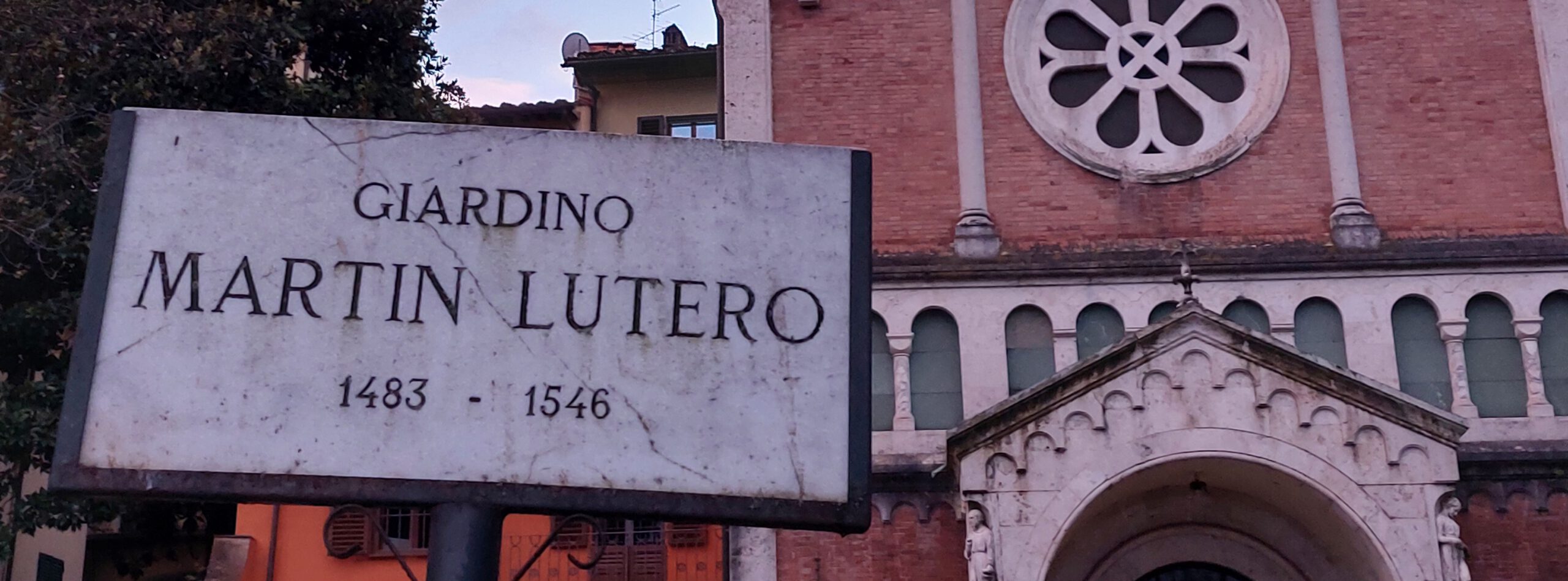
Regional Group met in Florence
From 16 to 19 March 2026, the South-East Europe Regional Group met in Florence. Thomas Prieto-Peral, Evangelical Lutheran Regional Bishop in Munich, reminded the gathering in a keynote address that preservation and renewal in churches should always go hand in hand. In a further presentation, Patrick Todjeras from the Office for Evangelism and Church Development of the Evangelical Church in Austria referred to the psychologist Daniel Kahneman and advocated slow and deliberate thinking (“System 2”) in church change processes. Many forms and examples of change were discussed at the regional group’s meeting. It is clear that none of the represented churches fundamentally views change as a threat. On the other hand, however, the churches in the Southern and Eastern Europe region also seem rather hesitant to initiate change of their own accord, but react primarily to external developments.
At present, it remains very much open as to the direction the studies on theology and change within the CPCE will take. In addition to further discussions in regional groups, a steering group appointed by the Council will examine how these studies must proceed for the Protestant churches in Europe to be fruitful.